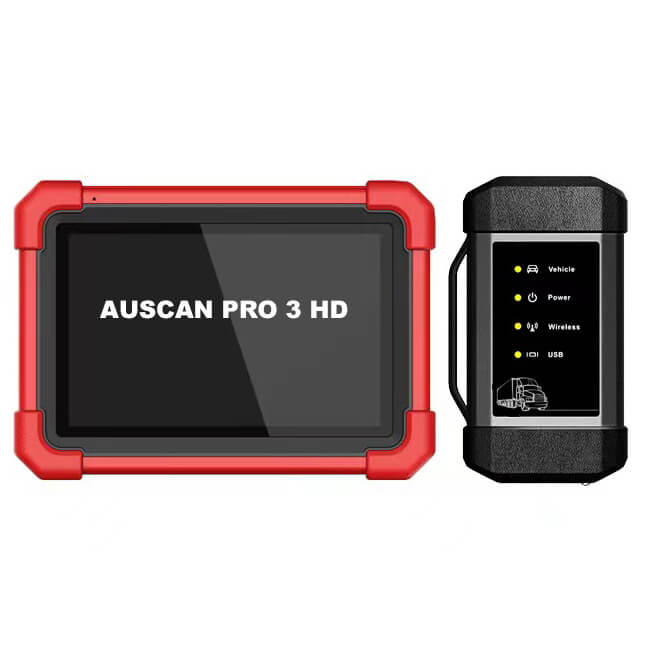
Heavy-duty vehicles are different from passenger cars, and the diagnostic tools used on them need to be different as well. Trucks, buses, agricultural equipment, mining vehicles and construction machinery often use larger electrical systems, different communication protocols and more specialised control systems.
For Australian workshops, a heavy-duty diagnostic scan tool can help reduce downtime, improve fault finding and support a more professional repair process. Whether you service fleet vehicles, diesel trucks, buses, machinery or mixed commercial equipment, the right diagnostic platform can make a major difference to daily workshop efficiency.
At Launch Scan Tools Australia, workshops can compare diagnostic tools for passenger vehicles, commercial vehicles and heavy-duty applications, depending on the type of work they perform.
What Is a Heavy-Duty Diagnostic Scan Tool?
A heavy-duty diagnostic scan tool is designed to communicate with the electronic systems used in trucks, buses, machinery and other commercial vehicles. Instead of only reading basic engine codes, a professional heavy-duty scanner can help technicians access multiple systems across the vehicle.
Depending on the vehicle and software coverage, a heavy-duty scan tool may support diagnosis for:
- Engine systems
- Transmission systems
- ABS and braking systems
- Auxiliary systems
- Body and chassis systems
- Aftertreatment and emissions systems
- DPF and regeneration-related functions
- Injectors, sensors and actuator tests
- Fleet and commercial vehicle applications
This makes heavy-duty diagnostic equipment especially useful for workshops that need to diagnose larger vehicles quickly, document faults clearly and complete repairs with less guesswork.
Why Heavy-Duty Diagnostics Are Different
A standard passenger vehicle scanner is not always suitable for truck, bus or machinery work. Heavy-duty vehicles may use 12V or 24V systems, different diagnostic connectors, commercial vehicle communication protocols and manufacturer-specific software.
Many heavy-duty vehicles use network standards such as SAE J1939 for communication between electronic control units. The SAE J1939 committee develops documents related to communication networks for the exchange of control and diagnostic information among electronic components.
In practical workshop terms, this means technicians need a scan tool that can communicate correctly with the vehicle’s control systems, interpret heavy-duty fault information and support the functions needed for truck, bus or machinery repair.
Common Heavy-Duty Workshop Use Cases
Heavy-duty diagnostic scan tools are used across a wide range of workshop environments.
| Workshop Type | Common Diagnostic Needs |
|---|---|
| Truck repair workshops | Engine faults, transmission issues, ABS faults, DPF regeneration, injector tests and live data checks |
| Bus and coach workshops | Engine, braking, auxiliary systems, electrical faults and service-related diagnostics |
| Fleet maintenance workshops | Fast fault checks, service reports, preventative maintenance and downtime reduction |
| Farming equipment workshops | Diesel engine systems, electrical faults, sensor data and machinery diagnostics |
| Mining and construction workshops | Heavy machinery diagnosis, hydraulic-related system checks, engine data and fault-code analysis |
| Mixed commercial workshops | Passenger vehicles, vans, light trucks, heavy trucks and selected machinery applications |
Key Functions to Look For
When choosing a heavy-duty diagnostic scan tool, the most important question is not simply whether it can read codes. A workshop should look at the actual functions it needs to perform every day.
12V and 24V System Support
Many commercial vehicles and heavy-duty applications use 24V systems, while some lighter commercial vehicles use 12V systems. A suitable heavy-duty diagnostic tool should support the voltage range required for the vehicles your workshop services.
Full-System Diagnostics
A full-system scan helps technicians check multiple control modules across the vehicle. This is useful when a fault involves more than one system, such as engine, transmission, ABS or aftertreatment-related faults.
Live Data and Data Stream Analysis
Live data allows technicians to view sensor values, operating conditions and module information while the vehicle is running or being tested. This can help identify intermittent issues, abnormal readings and system behaviour that may not be obvious from a fault code alone.
Active Tests and Special Functions
Professional heavy-duty scanners may support active tests and special functions such as injector cut-out tests, cylinder compression tests, DPF regeneration, component replacement procedures and selected calibration or reset functions.
ABS and Braking System Diagnosis
Heavy vehicle braking systems are safety-critical, so diagnostic access to ABS and related systems is important for many commercial workshops. The Australian Government’s Australian Design Rules include commercial vehicle brake system requirements, including ADR 35 for commercial vehicle brake systems and ADR 38 for trailer brake systems.
Diagnostic Reports
For fleet and commercial work, reports can be useful for customer communication, maintenance records and post-repair confirmation. A clear diagnostic report can help show what was found, what was repaired and whether the fault returned after the repair.
Why Heavy-Duty Coverage Matters
Heavy-duty vehicle coverage can vary significantly between diagnostic tools. A workshop should check whether the scanner supports the vehicle makes, systems and functions it needs.
In Australia, heavy-duty workshops may see vehicles and systems from manufacturers such as Cummins, Detroit, Hino, Isuzu, Volvo, Freightliner, International, Kenworth, Peterbilt, WABCO, Bendix and Allison, depending on the type of work they perform.
Coverage should be checked at a practical level. It is not enough to know that a scan tool supports “trucks”. The workshop should confirm whether the tool supports the brands, systems, special functions, connectors and software packages required for its actual customer base.
Heavy-Duty Diagnostics and Workshop Compliance
Diagnostic scan tools do not replace inspection procedures, safety checks or regulatory obligations. However, they can support a more structured maintenance process by helping technicians identify electronic faults, record fault codes and verify repairs.
The National Heavy Vehicle Inspection Manual provides a nationally consistent approach to heavy vehicle compliance and vehicle inspections. For workshops involved in fleet service, commercial vehicle maintenance or pre-inspection checks, diagnostic reports can support a clearer service record.
For mobile plant and machinery, workshops should also consider safe maintenance and inspection practices. Safe Work Australia explains that plant includes machinery, equipment, appliances and tools used at work, including many items commonly found in construction and industrial environments.
AUSCAN HD: For Truck, Bus and Machinery Workshops
For workshops focused on heavy-duty work, the AUSCAN HD heavy-duty diagnostic scan tool is designed for truck, bus and machinery applications in the Australian market.
It supports 12V and 24V diagnosis and is suitable for systems such as engine, transmission, ABS and auxiliary systems. It can be used across truck, bus, farming, mining and construction machinery applications, depending on software coverage and vehicle compatibility.
This makes AUSCAN HD a strong fit for:
- Truck and bus repair workshops
- Diesel diagnostic specialists
- Fleet maintenance teams
- Commercial vehicle workshops
- Mining, farming and construction machinery service providers
For these workshops, choosing a heavy-duty scanner is less about having a long list of passenger car functions and more about reliable access to the commercial vehicle systems they work on every day.
AUSCAN Smart: For Mixed Car and Truck Workshops
Some workshops do not only service heavy-duty vehicles. They may work on passenger cars, vans, light commercial vehicles and trucks in the same week.
For this type of workshop, AUSCAN Smart is designed as a combined car and truck diagnostic platform. It supports car and truck diagnosis, all-system detection, topology mapping, coding, programming, common maintenance functions and 12/24V vehicle diagnosis.
This type of tool can suit workshops that want broader flexibility across different vehicle categories without moving immediately into a heavy-duty-only platform.

How to Choose the Right Heavy-Duty Scan Tool
Before buying a heavy-duty diagnostic scanner, workshops should review their vehicle mix and service goals.
Key questions include:
- Do you mainly work on trucks, buses, machinery or mixed fleets?
- Do you need 12V, 24V or both?
- Which vehicle brands and systems do you diagnose most often?
- Do you need DPF regeneration, injector cut-out tests or cylinder compression tests?
- Do you require ABS, transmission and auxiliary system access?
- Do you need diagnostic reports for fleet maintenance records?
- Are the correct adapters, cables and connectors included?
- How important are software updates and local technical support?
Workshops should also think about future work. If you are planning to service more commercial vehicles, buses or machinery, choosing a tool with the right expansion path can be more cost-effective than replacing equipment later.
Heavy-Duty Scan Tool vs Passenger Vehicle Scanner
A passenger vehicle scanner may be suitable for cars and light vehicles, but it may not provide the access needed for heavy-duty systems. The difference is not only vehicle size. It can involve voltage, communication protocols, connector types, software coverage and available special functions.
A heavy-duty diagnostic scan tool should be selected when the workshop regularly works on trucks, buses, machinery or fleet vehicles. A mixed workshop may need a platform that supports both passenger and commercial vehicle applications.
The best diagnostic tool is the one that matches the work coming through the workshop doors.
Final Thoughts
Heavy-duty diagnostic scan tools are essential for workshops that service trucks, buses, machinery, fleets and commercial vehicles. They help technicians access electronic systems, read and clear faults, view live data, run supported tests and reduce diagnostic guesswork.
For Australian workshops, the most important factors are vehicle coverage, 12V/24V support, system access, special functions, software updates and local support. A truck, bus or machinery workshop should not choose a scanner based on passenger car features alone.
If you are comparing heavy-duty diagnostic scan tools, contact the Launch Tech Australia team for product advice, coverage questions and support options.