Posted on

How Diagnostic Tools Help Workshops Save Time

Time matters in every automotive workshop. The faster a technician can understand a fault, confirm the cause and complete the repair, the better the workshop can manage bookings, reduce delays and support customers.

Modern diagnostic tools are designed to make that process more efficient. Instead of relying only on manual checks or basic code reading, workshops can use launch scan tools to scan vehicle systems, view live data, run active tests and complete service functions with more confidence.

For Australian workshops looking for a professional Launch Scanner, the real value is not just in reading codes. The value is in saving time across the whole diagnostic workflow.
Car Repair

Faster Fault Finding From the Start

When a vehicle arrives with a warning light or performance issue, the first challenge is knowing where to begin. Without a diagnostic scan, technicians may spend valuable time checking different systems without a clear direction.

A professional scan tool can quickly read diagnostic trouble codes from supported vehicle systems. This gives the technician a starting point and helps identify whether the fault is related to the engine, transmission, ABS, airbag, body control, steering, battery management or another control module.

This does not mean the scan tool gives the full answer immediately. Fault codes still need proper interpretation. But they help reduce the time spent searching blindly.

Full-System Scans Give a Clearer Vehicle Overview

Many modern vehicles have dozens of electronic control modules. A problem in one system can affect another, and a warning light may not tell the whole story.

This is where full-system scanning becomes useful. Instead of checking only the engine module, technicians can scan multiple systems and see a more complete fault picture.

For example, a drivability issue may also involve transmission data, ABS signals, throttle response, battery voltage or communication between modules. A full-system scan helps the workshop see these related faults earlier, which can save time during diagnosis.

Live Data Helps Confirm What Is Actually Happening

Live data is one of the most useful features in modern diagnostic tools. It allows technicians to view sensor readings and module information while the vehicle is running or being tested.

Instead of only seeing a stored fault code, the technician can check real-time values such as coolant temperature, oxygen sensor readings, fuel trims, throttle position, wheel speed, boost pressure, battery voltage or DPF data.

This helps confirm whether a sensor, actuator or system is behaving normally. For intermittent faults, live data can also help technicians identify issues that may not appear during a basic visual inspection.

Active Tests Reduce Guesswork

Many professional launch scan tools support active tests, also known as bi-directional control, depending on the vehicle and system coverage.

Active tests allow the scan tool to command selected components to operate. A technician may be able to activate a cooling fan, fuel pump, ABS component, electronic parking brake, actuator or other supported component directly from the scanner.

This can save time because the technician can confirm whether a component responds before removing parts or replacing anything unnecessarily. It also helps separate component faults from wiring, relay, power supply or control module issues.

Service Functions Make Routine Jobs Quicker

Many service tasks on newer vehicles require electronic reset or calibration procedures. A scan tool can help workshops complete these jobs without wasting time searching for separate tools or manual reset methods.

Common service functions may include oil reset, electronic parking brake service mode, battery registration, steering angle calibration, throttle adaptation, DPF-related functions, injector coding or TPMS-related service functions where supported.

For busy workshops, these functions can make routine servicing smoother and help technicians complete jobs in a more structured way.

Better Diagnostic Reports Improve Communication

Diagnostic tools can also save time after the scan is complete. Many workshops use pre-repair and post-repair reports to record what was found, what was cleared and whether faults returned after the repair.

This is helpful for technicians, service advisors and customers. Instead of explaining everything from memory, the workshop can use a report to support the repair recommendation or confirm the final result.

For fleet work, used vehicle inspections or repeat customer repairs, diagnostic reports can also create a clearer record of vehicle condition over time.

Why Launch Australia Support Matters

Saving time is not only about the tool itself. It is also about software updates, vehicle coverage, product resources and local support.

Workshops using LAUNCH diagnostic equipment can refer to the Launch Tech Australia Support page for software update guides, troubleshooting information and product resources. This helps reduce time spent dealing with update problems, setup questions or basic support issues.

For workshops searching for Launch Australia support, local product advice can also make it easier to choose a scanner that suits the vehicles and jobs coming through the workshop.
Diagnostic Tools Work Best With Repair Information

A scan tool helps identify what the vehicle is reporting, but technicians still need accurate repair information to complete the job properly.

The Australian Automotive Service and Repair Authority provides Australian repairers with access pathways for manufacturer service and repair information. When scan data is combined with correct procedures, wiring diagrams and specifications, workshops can diagnose faults more efficiently.

This combination helps reduce repeat checks, wrong repair paths and unnecessary part replacement.

Training Also Saves Time

A good scan tool is most effective when technicians know how to use it properly. Features such as live data, active tests, topology mapping, coding and guided functions can save time, but only when used with a clear diagnostic process.

The Australian Automotive Aftermarket Association is a useful industry resource for workshop training, aftermarket updates and technical development.

For modern workshops, investing in both diagnostic equipment and technician knowledge is one of the best ways to improve efficiency.

Where Diagnostic Tools Save the Most Time

Workshop Situation How Diagnostic Tools Help
Warning light diagnosis Quickly identifies stored fault codes and affected systems
Intermittent faults Uses live data to monitor sensor and module behaviour
Electrical component testing Uses active tests to command supported components
Routine servicing Completes resets, adaptations and maintenance functions
Post-repair checks Confirms whether codes return after repair
Customer communication Provides reports to explain findings and repair results
Fleet maintenance Supports faster checks and clearer service records

Choosing the Right Diagnostic Tool for Workshop Efficiency

Not every workshop needs the same diagnostic tool. A general mechanical workshop may prioritise full-system scanning, service functions and broad vehicle coverage. A European specialist may need coding, DoIP, CAN FD and advanced diagnostic capability. A fleet or diesel workshop may need heavy-duty coverage and 12V/24V support.

Before choosing a diagnostic scanner, workshops should consider the vehicle brands they service most often, the systems they need to access, the service functions they use every day and whether they need future support for EV, ADAS or heavy-duty applications.

The best diagnostic tool is not always the most expensive one. It is the one that matches the workshop’s real jobs and helps technicians complete those jobs more efficiently.
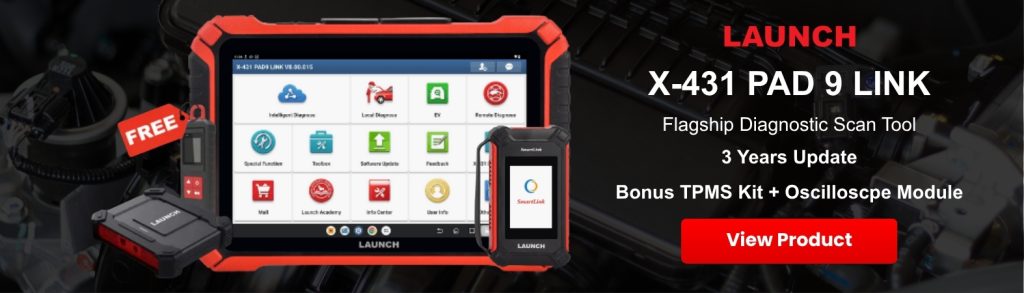
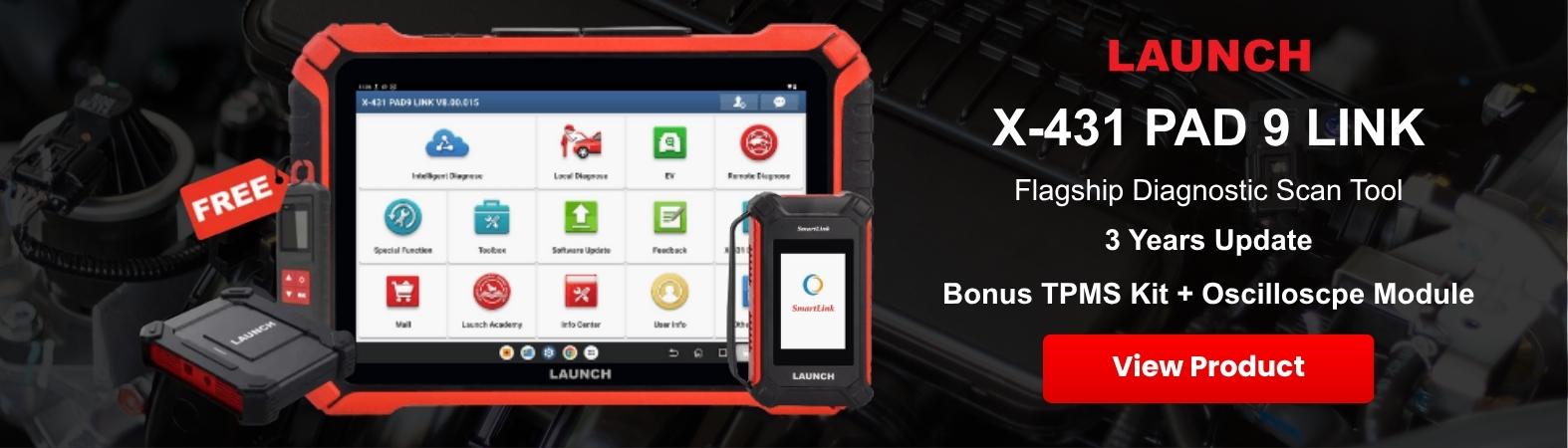
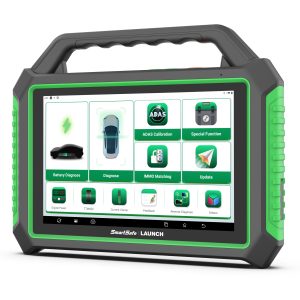
Pad 9 Link Flagship Scan Tool

Final Thoughts

Diagnostic tools help workshops save time by making fault finding faster, more structured and easier to verify. They allow technicians to read fault codes, scan full systems, view live data, run active tests, complete service functions and produce clearer repair reports.

For Australian workshops, launch scan tools can help reduce guesswork, improve workflow and support more confident repairs on modern vehicles.

If your workshop is comparing diagnostic tools, contact the Launch Tech Australia team for product advice, vehicle coverage questions and local support options.
Posted on

Right to Repair in Australia: What It Means for Workshops

a man is fixing a car

Right to Repair has become an important topic for Australian workshops. As vehicles become more software-driven, independent repairers need more than mechanical skill. They also need access to service information, diagnostic data, repair procedures and the right diagnostic equipment.

For independent workshops, the issue is simple: if a vehicle cannot be diagnosed properly, it cannot be repaired efficiently. That is why the combination of repair information and a professional Launch Scanner is becoming more important for modern workshop diagnostics.

This guide explains what Right to Repair means in Australia, how it affects independent workshops and why scan tools play a key role in making repair access practical.

What Is Right to Repair in Australia?

In the automotive industry, Right to Repair refers to the ability of independent repairers to access the information they need to diagnose, service and repair vehicles.

In Australia, this is connected to the Motor Vehicle Service and Repair Information Sharing Scheme. The ACCC Motor Vehicle Information Scheme explains how the scheme supports access to technical information for service and repair work.

This matters because modern vehicles rely heavily on electronic control modules, diagnostic software, service procedures and manufacturer data. Without access to the correct information, even an experienced technician may not be able to complete certain repairs properly.

a man is fixing a car

Why Right to Repair Matters for Independent Workshops

Independent workshops play a major role in Australia’s automotive service and repair market. Customers rely on local mechanics for servicing, maintenance, diagnostics and repairs across many vehicle brands.

Right to Repair helps protect that choice by supporting fairer access to service and repair information. This can help workshops diagnose faults more accurately, access manufacturer procedures, reduce unnecessary part replacement and compete more fairly with dealer workshops.

However, information alone is not enough. Workshops also need the right equipment to communicate with the vehicle and apply that information in real workshop conditions.

Repair Information and Diagnostic Tools Work Together

A common mistake is thinking that Right to Repair only means having access to service manuals. In practice, a workshop needs both information and diagnostic capability.

Repair information may tell the technician what the procedure is. A diagnostic scan tool helps the technician communicate with the vehicle, read fault codes, view live data, run active tests and confirm whether the repair has worked.

For example, a manufacturer procedure may explain how to diagnose a fault in an electronic parking brake system. But the workshop may still need a scan tool to read the module, run a service function, reset the system or confirm live data response.

What Workshops May Need Access To

Depending on the vehicle and job, independent workshops may need access to diagnostic trouble code definitions, wiring diagrams, service procedures, technical service bulletins, module locations, calibration procedures and software-related repair information.

The Australian Automotive Service and Repair Authority provides access pathways for manufacturer service and repair information, including information that independent repairers may need for modern vehicle servicing and diagnosis.

Some jobs may only require a basic scan and service reset. Other jobs may involve coding, programming, ADAS calibration, EV system diagnosis, immobiliser procedures or network communication faults.

The Role of Diagnostic Scanners in Modern Workshops

A professional diagnostic scanner allows technicians to communicate with the vehicle’s electronic systems. Depending on the model and vehicle coverage, this can include engine, transmission, ABS, airbag, body control, steering, battery management, ADAS-related systems and other control modules.

For independent workshops, scan tools can support daily diagnostic work such as full-system vehicle scans, reading and clearing fault codes, viewing live data, running bi-directional control, performing service resets and generating diagnostic reports.

These functions help turn repair information into practical workshop action. A wiring diagram, service bulletin or manufacturer procedure becomes much more useful when the technician can also test components, check data and confirm system response through the scanner.

Why Vehicle Coverage Is Important

Australian workshops often service many vehicle makes in the same week. A single workshop may see Toyota, Mazda, Ford, Hyundai, Kia, Volkswagen, BMW, Mercedes-Benz, Isuzu, Mitsubishi, Nissan and other brands regularly.

Because of this, vehicle coverage is one of the most important factors when choosing a diagnostic tool. A scanner should support the brands, systems and functions that match the workshop’s actual customer base.

Good diagnostic coverage can help workshops handle passenger vehicle diagnostics, European vehicle systems, light commercial vehicles, service functions, CAN FD and DoIP communication, EV diagnosis and ADAS-related work where supported.

Right to Repair Does Not Mean Every Repair Is Simple

Right to Repair improves access to information, but it does not mean every workshop can perform every possible repair on every vehicle without training, equipment or authorisation.

Some procedures may still require technician training, special tools, security access, manufacturer subscriptions, correct diagnostic software, battery support equipment and safe work procedures.

The Australian Treasury Motor Vehicle Service and Repair Information Sharing Scheme factsheets provide useful background on how the scheme supports competition and access to repair information in the automotive sector.

This is especially relevant for high-voltage EV systems, ADAS calibration, module programming, immobiliser work and safety-related systems.

How This Affects Scan Tool Choices

Right to Repair makes diagnostic capability more valuable, not less. As more information becomes accessible, workshops need tools that help them apply that information properly.

When choosing a scan tool, workshops should consider vehicle coverage, full-system diagnostic capability, live data, active tests, service reset functions, coding support, CAN FD and DoIP support, software updates and local technical support.

Workshops can also use the Launch Tech Australia Support page for software update guides, troubleshooting information and product resources related to LAUNCH diagnostic equipment.

Right to Repair and Customer Trust

Customers often choose independent workshops because they trust their local mechanic. Right to Repair supports that relationship by helping independent repairers access the information needed to service and repair vehicles properly.

When a workshop can diagnose faults clearly, explain findings and confirm repairs with scan reports, it creates a more professional customer experience.

This is especially useful when dealing with electronic faults, intermittent warning lights, service resets, post-repair checks and complex module-related issues.

Industry Background and Legislation

The Australian Parliament summary of the Motor Vehicle Service and Repair Information Sharing Scheme Bill outlines the establishment of the scheme within the Competition and Consumer Act framework.

For workshops, the practical takeaway is that vehicle repair is becoming more data-driven. Access to information matters, but so does the ability to use that information through the correct diagnostic tools and procedures.

Final Thoughts

Right to Repair in Australia is important because it gives independent workshops better access to the information needed to service and repair modern vehicles. But access to information is only part of the picture.

To use that information effectively, workshops also need suitable diagnostic equipment, vehicle coverage, software updates, training and local support.

A professional scan tool helps bridge the gap between repair information and real workshop diagnosis. It allows technicians to scan systems, read data, run tests, perform service functions and confirm repairs across supported vehicles.

For independent workshops, the future of repair is not just mechanical. It is diagnostic, data-driven and increasingly software-connected. Choosing the right scan tool is one of the practical steps workshops can take to stay competitive in that environment.

If your workshop is comparing diagnostic tools, contact the Launch Tech Australia team for product advice, coverage questions and local support.

Posted on

Heavy-Duty Diagnostic Scan Tools for Workshops

Heavy-duty vehicles are different from passenger cars, and the diagnostic tools used on them need to be different as well. Trucks, buses, agricultural equipment, mining vehicles and construction machinery often use larger electrical systems, different communication protocols and more specialised control systems.

For Australian workshops, a heavy-duty diagnostic scan tool can help reduce downtime, improve fault finding and support a more professional repair process. Whether you service fleet vehicles, diesel trucks, buses, machinery or mixed commercial equipment, the right diagnostic platform can make a major difference to daily workshop efficiency.

At Launch Scan Tools Australia, workshops can compare diagnostic tools for passenger vehicles, commercial vehicles and heavy-duty applications, depending on the type of work they perform.

What Is a Heavy-Duty Diagnostic Scan Tool?

A heavy-duty diagnostic scan tool is designed to communicate with the electronic systems used in trucks, buses, machinery and other commercial vehicles. Instead of only reading basic engine codes, a professional heavy-duty scanner can help technicians access multiple systems across the vehicle.

Depending on the vehicle and software coverage, a heavy-duty scan tool may support diagnosis for:

  • Engine systems
  • Transmission systems
  • ABS and braking systems
  • Auxiliary systems
  • Body and chassis systems
  • Aftertreatment and emissions systems
  • DPF and regeneration-related functions
  • Injectors, sensors and actuator tests
  • Fleet and commercial vehicle applications

This makes heavy-duty diagnostic equipment especially useful for workshops that need to diagnose larger vehicles quickly, document faults clearly and complete repairs with less guesswork.

Why Heavy-Duty Diagnostics Are Different

A standard passenger vehicle scanner is not always suitable for truck, bus or machinery work. Heavy-duty vehicles may use 12V or 24V systems, different diagnostic connectors, commercial vehicle communication protocols and manufacturer-specific software.

Many heavy-duty vehicles use network standards such as SAE J1939 for communication between electronic control units. The SAE J1939 committee develops documents related to communication networks for the exchange of control and diagnostic information among electronic components.

In practical workshop terms, this means technicians need a scan tool that can communicate correctly with the vehicle’s control systems, interpret heavy-duty fault information and support the functions needed for truck, bus or machinery repair.

Common Heavy-Duty Workshop Use Cases

Heavy-duty diagnostic scan tools are used across a wide range of workshop environments.

Workshop Type Common Diagnostic Needs
Truck repair workshops Engine faults, transmission issues, ABS faults, DPF regeneration, injector tests and live data checks
Bus and coach workshops Engine, braking, auxiliary systems, electrical faults and service-related diagnostics
Fleet maintenance workshops Fast fault checks, service reports, preventative maintenance and downtime reduction
Farming equipment workshops Diesel engine systems, electrical faults, sensor data and machinery diagnostics
Mining and construction workshops Heavy machinery diagnosis, hydraulic-related system checks, engine data and fault-code analysis
Mixed commercial workshops Passenger vehicles, vans, light trucks, heavy trucks and selected machinery applications

Key Functions to Look For

When choosing a heavy-duty diagnostic scan tool, the most important question is not simply whether it can read codes. A workshop should look at the actual functions it needs to perform every day.

12V and 24V System Support

Many commercial vehicles and heavy-duty applications use 24V systems, while some lighter commercial vehicles use 12V systems. A suitable heavy-duty diagnostic tool should support the voltage range required for the vehicles your workshop services.

Full-System Diagnostics

A full-system scan helps technicians check multiple control modules across the vehicle. This is useful when a fault involves more than one system, such as engine, transmission, ABS or aftertreatment-related faults.

Live Data and Data Stream Analysis

Live data allows technicians to view sensor values, operating conditions and module information while the vehicle is running or being tested. This can help identify intermittent issues, abnormal readings and system behaviour that may not be obvious from a fault code alone.

Active Tests and Special Functions

Professional heavy-duty scanners may support active tests and special functions such as injector cut-out tests, cylinder compression tests, DPF regeneration, component replacement procedures and selected calibration or reset functions.

ABS and Braking System Diagnosis

Heavy vehicle braking systems are safety-critical, so diagnostic access to ABS and related systems is important for many commercial workshops. The Australian Government’s Australian Design Rules include commercial vehicle brake system requirements, including ADR 35 for commercial vehicle brake systems and ADR 38 for trailer brake systems.

Diagnostic Reports

For fleet and commercial work, reports can be useful for customer communication, maintenance records and post-repair confirmation. A clear diagnostic report can help show what was found, what was repaired and whether the fault returned after the repair.

Why Heavy-Duty Coverage Matters

Heavy-duty vehicle coverage can vary significantly between diagnostic tools. A workshop should check whether the scanner supports the vehicle makes, systems and functions it needs.

In Australia, heavy-duty workshops may see vehicles and systems from manufacturers such as Cummins, Detroit, Hino, Isuzu, Volvo, Freightliner, International, Kenworth, Peterbilt, WABCO, Bendix and Allison, depending on the type of work they perform.

Coverage should be checked at a practical level. It is not enough to know that a scan tool supports “trucks”. The workshop should confirm whether the tool supports the brands, systems, special functions, connectors and software packages required for its actual customer base.

Heavy-Duty Diagnostics and Workshop Compliance

Diagnostic scan tools do not replace inspection procedures, safety checks or regulatory obligations. However, they can support a more structured maintenance process by helping technicians identify electronic faults, record fault codes and verify repairs.

The National Heavy Vehicle Inspection Manual provides a nationally consistent approach to heavy vehicle compliance and vehicle inspections. For workshops involved in fleet service, commercial vehicle maintenance or pre-inspection checks, diagnostic reports can support a clearer service record.

For mobile plant and machinery, workshops should also consider safe maintenance and inspection practices. Safe Work Australia explains that plant includes machinery, equipment, appliances and tools used at work, including many items commonly found in construction and industrial environments.

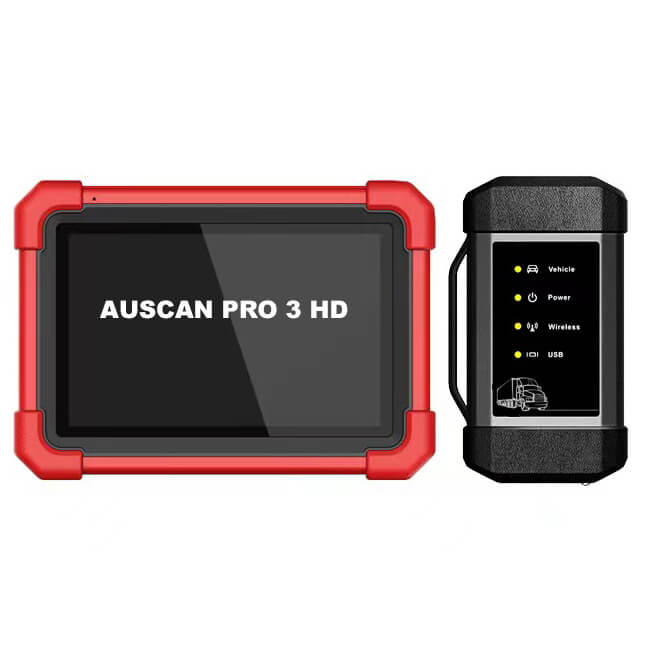
AUSCAN HD: For Truck, Bus and Machinery Workshops

For workshops focused on heavy-duty work, the AUSCAN HD heavy-duty diagnostic scan tool is designed for truck, bus and machinery applications in the Australian market.

It supports 12V and 24V diagnosis and is suitable for systems such as engine, transmission, ABS and auxiliary systems. It can be used across truck, bus, farming, mining and construction machinery applications, depending on software coverage and vehicle compatibility.

This makes AUSCAN HD a strong fit for:

  • Truck and bus repair workshops
  • Diesel diagnostic specialists
  • Fleet maintenance teams
  • Commercial vehicle workshops
  • Mining, farming and construction machinery service providers

For these workshops, choosing a heavy-duty scanner is less about having a long list of passenger car functions and more about reliable access to the commercial vehicle systems they work on every day.

AUSCAN Smart: For Mixed Car and Truck Workshops

Some workshops do not only service heavy-duty vehicles. They may work on passenger cars, vans, light commercial vehicles and trucks in the same week.

For this type of workshop, AUSCAN Smart is designed as a combined car and truck diagnostic platform. It supports car and truck diagnosis, all-system detection, topology mapping, coding, programming, common maintenance functions and 12/24V vehicle diagnosis.

This type of tool can suit workshops that want broader flexibility across different vehicle categories without moving immediately into a heavy-duty-only platform.

AuscanSmart for both passenger and heavy duty vehicles

How to Choose the Right Heavy-Duty Scan Tool

Before buying a heavy-duty diagnostic scanner, workshops should review their vehicle mix and service goals.

Key questions include:

  • Do you mainly work on trucks, buses, machinery or mixed fleets?
  • Do you need 12V, 24V or both?
  • Which vehicle brands and systems do you diagnose most often?
  • Do you need DPF regeneration, injector cut-out tests or cylinder compression tests?
  • Do you require ABS, transmission and auxiliary system access?
  • Do you need diagnostic reports for fleet maintenance records?
  • Are the correct adapters, cables and connectors included?
  • How important are software updates and local technical support?

Workshops should also think about future work. If you are planning to service more commercial vehicles, buses or machinery, choosing a tool with the right expansion path can be more cost-effective than replacing equipment later.

Heavy-Duty Scan Tool vs Passenger Vehicle Scanner

A passenger vehicle scanner may be suitable for cars and light vehicles, but it may not provide the access needed for heavy-duty systems. The difference is not only vehicle size. It can involve voltage, communication protocols, connector types, software coverage and available special functions.

A heavy-duty diagnostic scan tool should be selected when the workshop regularly works on trucks, buses, machinery or fleet vehicles. A mixed workshop may need a platform that supports both passenger and commercial vehicle applications.

The best diagnostic tool is the one that matches the work coming through the workshop doors.

Final Thoughts

Heavy-duty diagnostic scan tools are essential for workshops that service trucks, buses, machinery, fleets and commercial vehicles. They help technicians access electronic systems, read and clear faults, view live data, run supported tests and reduce diagnostic guesswork.

For Australian workshops, the most important factors are vehicle coverage, 12V/24V support, system access, special functions, software updates and local support. A truck, bus or machinery workshop should not choose a scanner based on passenger car features alone.

If you are comparing heavy-duty diagnostic scan tools, contact the Launch Tech Australia team for product advice, coverage questions and support options.

Posted on

EV Diagnostic Tools: What Australian Workshops Need to Know

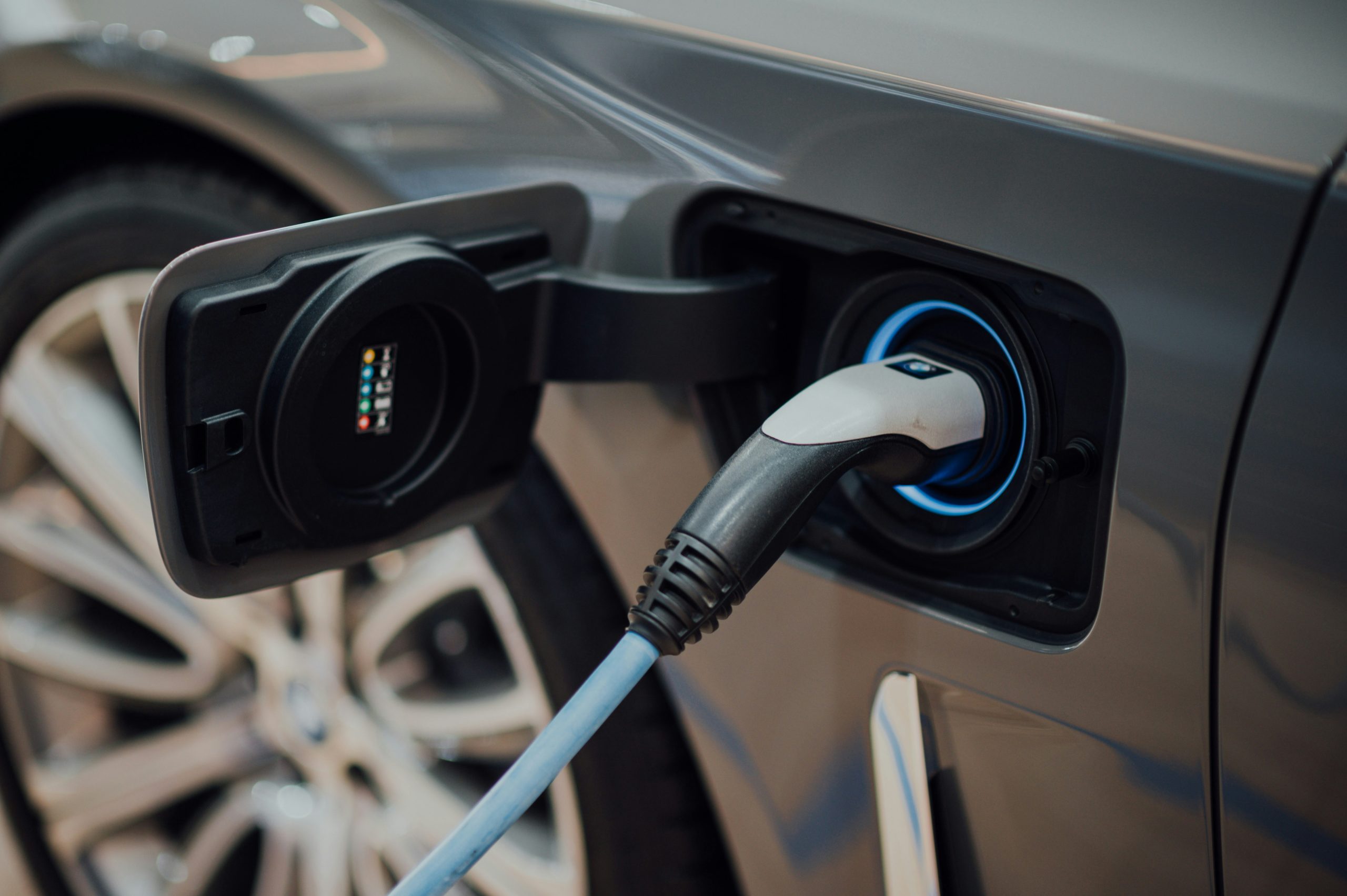
EV Charger

Diagnosing an electric vehicle involves more than connecting a standard code reader and checking for fault codes. Electric vehicles introduce high-voltage battery packs, battery management systems, electric motors, inverters, charging systems, safety interlocks and thermal management systems that require a broader diagnostic approach.

For Australian repairers, the right EV diagnostic tools can help technicians examine vehicle systems, assess battery condition, measure electrical performance and investigate faults more efficiently.

However, not every workshop needs the same equipment. A general mechanical workshop beginning to service hybrid and electric vehicles will have different requirements from an EV battery repair centre performing module-level testing and battery-pack maintenance.

This guide explains the main types of EV diagnostic equipment, what each tool is used for and what workshops should consider before expanding into electric vehicle servicing.

EV Charger


EV Diagnosis Starts With the Whole Vehicle

Although the high-voltage battery receives much of the attention, an electric vehicle still contains many interconnected control systems.

An EV diagnostic scanner may need to communicate with the:

  • Battery management system
  • Vehicle control module
  • Electric motor and inverter
  • On-board charger
  • DC-to-DC converter
  • Thermal management system
  • Charging control system
  • Brake and regenerative braking systems
  • High-voltage safety interlocks
  • Body, steering, restraint and driver assistance systems

A full-system scan provides a starting point by showing which modules contain faults and whether communication problems exist across the vehicle network. Technicians can then use live data, active tests, wiring information and electrical measurements to investigate the cause.

This is why a professional EV workshop normally needs more than one type of tool. A diagnostic scanner identifies what the vehicle is reporting, while specialist test equipment helps confirm what is happening electrically inside the system.

What Can an EV Diagnostic Scanner Check?

An EV-capable diagnostic scanner may support functions such as:

  • Reading and clearing diagnostic trouble codes
  • Viewing battery and vehicle live data
  • Monitoring battery temperatures and cell voltages
  • Checking charging and thermal management data
  • Running bi-directional or active tests
  • Reviewing high-voltage interlock status
  • Performing supported service and calibration functions
  • Generating diagnostic reports

The available functions depend on the vehicle manufacturer, model, year, control system and diagnostic software. EV support should therefore be checked at a vehicle and function level, not simply by looking for “EV compatible” on the scanner specification.

Battery Pack Data and State of Health

The high-voltage battery pack is one of the most important and expensive systems in an electric vehicle. Battery diagnosis commonly involves examining data from the battery management system rather than judging the pack from one voltage reading.

Useful battery data may include:

  • State of charge (SOC)
  • State of health (SOH)
  • Total battery-pack voltage
  • Individual cell or module voltages
  • Battery and module temperatures
  • Voltage difference between cells
  • Charging and discharging current
  • Insulation or isolation-related faults
  • Battery management system fault codes

The Australian Government’s guide to electric vehicle batteries and motors explains that EV lithium-ion batteries use cooling systems and battery management software to help control battery safety and performance.

For workshops that already use a compatible LAUNCH scanner, the LAUNCH EV Add-on Kit provides battery-pack cables and EV diagnostic software for supported vehicles. It can display information such as module quantity, SOC, SOH, temperatures and individual cell voltage data.

When Is a Dedicated EV Battery Detector Needed?

A general EV scan may be enough for routine servicing and initial fault finding. More detailed battery work may require a dedicated EV battery diagnostic tool.

A battery detector can help workshops examine battery-pack information in greater depth, review cell-level data and produce reports that make it easier to identify abnormal voltage or temperature patterns.

The iSmartEV P01 EV Battery Detector combines battery-pack inspection with whole-vehicle diagnostic functions. It can read and clear codes, view data streams, perform supported active tests and access detailed battery status and fault information.

This type of equipment is more relevant to EV specialists, battery service centres and workshops that expect to perform deeper battery investigation rather than only routine vehicle servicing.

Insulation Resistance Testing

High-voltage components must remain electrically isolated from the vehicle body and other conductive parts. Damaged cables, contamination, moisture or component faults can reduce insulation resistance and create an isolation fault.

An insulation resistance tester applies a controlled test voltage and measures resistance. This allows a trained technician to assess the insulation condition of supported high-voltage components and circuits using the correct manufacturer procedure.

The ES200 EV Insulation Resistance Tester provides insulation resistance and voltage measurement functions for EV testing. It includes multiple measurement modes and selectable test voltages.

An insulation tester is not the same as a standard automotive multimeter. Workshops should use equipment with the appropriate measurement range, rating and test functions for the procedure being performed.

Current and Voltage Measurement

Scan data shows what the control module reports, but technicians may also need to measure the electrical circuit directly.

Current and voltage measurements can assist with diagnosing:

  • Charging performance
  • Parasitic or unexpected current draw
  • Electric motor and inverter behaviour
  • DC-to-DC converter operation
  • Auxiliary electrical systems
  • Power supply and circuit faults

A current clamp allows current to be measured without disconnecting the conductor. The EG100 EV Clamp is designed for use with compatible LAUNCH scanners and supports AC/DC current measurement, DC voltage testing and waveform recording.

Measurement range, conductor size, accuracy and equipment rating should always be checked before selecting a current clamp for workshop use.

Why an Oscilloscope Still Matters

Some electrical faults cannot be identified reliably from fault codes or static measurements. An oscilloscope displays how a signal changes over time, allowing technicians to examine waveform shape, frequency, interruptions and irregular behaviour.

In EV diagnosis, an oscilloscope may be useful when investigating sensors, communication signals, motor controls, charging-related circuits and other electronic systems.

The EM101N EV Oscilloscope and Multimeter combines a dual-channel oscilloscope with multimeter functions and can connect to compatible X-431 diagnostic tools.

Owning an oscilloscope does not automatically make waveform diagnosis simple. Technicians also need suitable training, known-good reference information and an understanding of how the circuit is expected to operate.

Battery Cell Equalisation Equipment

Over time, differences can develop between cells or modules within a battery pack. Where the manufacturer procedure permits battery servicing, cell equalisation equipment may be used to reduce voltage imbalance between supported cells.

The ELB300 EV Battery Pack Cell Equaliser provides 24 channels for supported lithium battery-pack testing and equalisation work. It includes configurable charging and discharging parameters as well as voltage, current and temperature protection functions.

Cell equalisation is specialist battery work. It should not be treated as a universal repair for every battery fault, and it should only be performed by trained personnel following the correct battery and vehicle procedures.

Integrated EV Diagnostic Equipment

Workshops planning to perform regular EV diagnosis may prefer an integrated system rather than several separate instruments.

The iSmartEV P03 EV Integrated Detector combines whole-vehicle diagnosis and battery detection with an oscilloscope, multimeter, insulation tester and current clamp.

An integrated platform can suit specialist workshops that need several EV testing functions in one system. A general repair workshop servicing only occasional EVs may be better served by beginning with a compatible scanner, suitable software and selected test equipment, then expanding as demand grows.

Which EV Diagnostic Tools Does a Workshop Need?

Workshop Requirement Suggested Tool Type Typical Use
Routine EV servicing and initial fault finding EV-capable diagnostic scanner Full-system scans, fault codes, live data and service functions
Detailed battery health assessment EV battery detector SOC, SOH, cell voltage, temperature and battery fault analysis
High-voltage isolation fault diagnosis Insulation resistance tester Testing insulation condition using the specified procedure
Electrical load and charging diagnosis EV current clamp and multimeter AC/DC current, voltage and circuit measurement
Intermittent or signal-related faults Automotive oscilloscope Waveform and signal analysis
Battery module or cell servicing Battery equaliser Controlled cell charging, discharging and equalisation
Dedicated EV diagnostic centre Integrated EV diagnostic platform Whole-vehicle, battery and electrical testing in one system

Vehicle and Battery Coverage Must Be Checked

EV diagnostic coverage is not determined by the connector alone. Workshops should confirm support for the exact vehicle, battery system and required function.

Before purchasing equipment, check:

  • Supported vehicle manufacturers and models
  • Battery brands and pack types
  • Whether diagnosis is available through the OBD port or direct battery connection
  • Which battery cables and adapters are supplied
  • Whether EV software requires a separate activation or subscription
  • Whether cell-level data is available for the vehicles you service
  • Which functions require manufacturer access or additional information
  • Whether future software updates are available

A tool may communicate with the vehicle while still providing limited access to a particular battery pack. Coverage should therefore be confirmed based on the workshop’s actual vehicle mix.

EV Diagnostic Equipment Does Not Replace Safety Training

Electric vehicle work can involve electrical shock, arc, fire, damaged battery and chemical exposure risks. Diagnostic equipment helps identify faults, but it does not replace safe work procedures, suitable personal protective equipment, vehicle isolation processes or technician competency.

SafeWork NSW’s electric vehicle guidance provides information for businesses and workers carrying out EV maintenance, repair, modification, disposal and accident recovery.

Workshops should also follow vehicle manufacturer procedures and check the training, licensing and regulatory requirements that apply in their state or territory. The national Battery Electric Vehicle Inspection and Servicing Skill Set includes competencies covering EV depowering, maintenance, high-voltage rechargeable energy storage systems and safety interlocks.

Only appropriately trained personnel should work on or near high-voltage systems.

How to Prepare a Workshop for EV Diagnosis

Buying an EV scanner is only one part of becoming EV-ready. Workshops should also consider:

  • Technician training and competency
  • Vehicle isolation and lockout procedures
  • Insulated tools and appropriate PPE
  • High-voltage warning signs and controlled work areas
  • Battery lifting and handling requirements
  • Manufacturer repair information
  • Stable power support for diagnostic and programming work
  • Procedures for damaged or potentially unstable batteries
  • Software updates and vehicle coverage

It is often better to build capability in stages. A workshop can begin with EV servicing, system scans and supported maintenance tasks before investing in equipment for battery-pack removal, internal repair or cell-level work.

Choosing the Right EV Diagnostic Tools

The right equipment depends on the work your business plans to perform.

A general workshop may need an EV-capable scanner, current measurement equipment and an insulation tester. A diagnostic specialist may also require oscilloscopes and deeper battery data. A battery repair centre may need direct pack connections, cell equalisation equipment, specialised power supplies and battery lifting solutions.

When comparing equipment, focus on:

  • Vehicle and battery coverage
  • Required diagnostic depth
  • Tool measurement ranges and ratings
  • Software and update costs
  • Included cables and accessories
  • Training requirements
  • Local product and technical support

Workshops that need a diagnostic scanner before adding specialist EV equipment can also compare the available LAUNCH workshop scan tools.

Final Thoughts

EV diagnostic tools range from full-system scanners and battery detectors to insulation testers, current clamps, oscilloscopes and cell equalisation equipment. Each tool answers a different diagnostic question.

The best starting point is to define what type of EV work the workshop intends to perform. Routine servicing, battery condition reporting and high-voltage battery repair require very different levels of equipment, training and investment.

Choose equipment based on real vehicle coverage, required functions and technician capability rather than buying every available EV tool at once. For help comparing EV diagnostic solutions, software options and supported applications, contact the Launch Tech Australia team.

Posted on

CAN FD and DoIP Explained for Australian Workshops

car engine

Modern vehicles contain more control modules, sensors and connected systems than ever before. As the amount of data moving through a vehicle increases, diagnostic tools must be able to communicate using newer and faster protocols.

Two terms that now appear regularly in scan tool specifications are CAN FD and DoIP. Both are used for vehicle communication, but they work differently and solve different problems.

For Australian workshops servicing newer passenger cars, European vehicles, commercial vehicles and increasingly complex electronic systems, understanding these protocols can help when choosing a professional diagnostic scanner. Many LAUNCH scan tools in Australia now support CAN FD, DoIP or both, depending on the model, VCI and required accessories.

car engine

What Is CAN FD?

CAN FD stands for Controller Area Network with Flexible Data-rate. It is an extension of the traditional CAN communication system that has been widely used in vehicles for many years.

Traditional CAN allows control modules to exchange small packets of information reliably. However, newer vehicles generate and process much more data, so the original CAN format can become a limitation.

According to the official Bosch CAN FD technical overview, CAN FD increases the maximum data carried in one frame from 8 bytes to 64 bytes. It can also switch to a higher bit rate during the data section of the message.

In practical workshop terms, CAN FD allows compatible vehicle modules and diagnostic equipment to exchange more information efficiently while retaining many of the familiar characteristics of a CAN network.

Why Do Newer Vehicles Use CAN FD?

Vehicle networks now need to support systems such as advanced driver assistance, powertrain management, battery systems, digital instrument displays, body control functions and connected safety features.

These systems may exchange more data than older vehicle electronics. CAN FD helps manufacturers manage that increased communication demand without replacing the entire CAN-based architecture.

For a workshop, CAN FD support matters because a scanner that only supports traditional CAN may not be able to communicate correctly with every module on a newer CAN FD-equipped vehicle.

A compatible CAN FD scan tool may be required for:

  • Accessing supported control modules on newer vehicles
  • Completing full-system diagnostic scans
  • Reading and clearing manufacturer-specific fault codes
  • Viewing live data from compatible systems
  • Running active tests and service functions
  • Performing coding or programming procedures where supported

CAN FD support does not automatically mean that every function will be available on every vehicle. Coverage still depends on the vehicle make, model, year, control module and diagnostic software.

What Is DoIP?

DoIP refers to diagnostic communication over Internet Protocol. It allows diagnostic information to travel using IP-based networking, commonly over automotive Ethernet.

The word “Internet” can be misleading. DoIP does not mean that a vehicle must be connected to the public internet for diagnosis. It means the diagnostic communication uses the same underlying Internet Protocol technology found in computer networks.

The official ISO 13400-2 DoIP standard defines communication between diagnostic test equipment and vehicle systems using IP, TCP and UDP. It also covers areas such as discovering a vehicle on the network, establishing a connection and routing diagnostic data through the vehicle gateway.

DoIP can provide a higher-capacity communication path for operations that involve larger amounts of diagnostic data.

Why Is DoIP Important for Workshops?

As vehicle software becomes more complex, workshops may need to transfer larger files or communicate with multiple modules during diagnosis and repair.

DoIP can be useful for supported tasks such as:

  • Fast full-vehicle scanning
  • Communicating with Ethernet-based vehicle gateways
  • Transferring larger diagnostic data sets
  • ECU coding or software operations where supported
  • Working with newer vehicle electrical architectures
  • Accessing modules that require a DoIP connection

The AUTOSAR Diagnostic over IP specification describes how DoIP is integrated into standardised automotive software architecture. This reflects the growing role of Ethernet and IP-based communication in modern vehicles.

DoIP does not necessarily replace CAN or CAN FD. A vehicle may use DoIP to communicate with a central gateway, while individual systems behind that gateway continue to communicate through CAN-based networks.

CAN FD vs DoIP: What Is the Difference?

Feature CAN FD DoIP
Full name Controller Area Network with Flexible Data-rate Diagnostic communication over Internet Protocol
Network type Enhanced CAN-based vehicle network IP-based communication, commonly over automotive Ethernet
Main purpose Carry more data at a faster rate than traditional CAN Provide a high-capacity path for vehicle diagnostics
Typical workshop relevance Accessing modules and diagnostic functions on CAN FD-equipped vehicles Fast scanning, gateway communication and data-intensive diagnostic procedures
Tool requirement CAN FD-compatible VCI and software DoIP-compatible VCI, software and sometimes a separate cable

The two protocols are not competitors. A professional diagnostic tool may need to support both because different vehicles and systems use different communication methods.

Does Every Workshop Need CAN FD and DoIP?

Not every workshop needs these protocols for every job. A workshop mainly servicing older vehicles may still complete most daily work using traditional CAN and OBD2 communication.

However, CAN FD and DoIP support becomes increasingly relevant when a workshop:

  • Regularly services newer passenger vehicles
  • Works on late-model European vehicles
  • Performs full-system diagnostics rather than basic engine code reading
  • Handles ECU coding, programming or module replacement
  • Wants to expand into newer diagnostic work
  • Needs a scan tool that will remain useful as vehicle technology develops

If a vehicle requires a protocol that the scanner or VCI does not support, some modules may be unavailable or certain functions may not operate correctly.

What Does a Workshop Need to Use These Protocols?

Protocol support involves more than the diagnostic tablet itself. The complete setup may include:

  • A compatible diagnostic scanner
  • A VCI that supports CAN FD or DoIP
  • Current diagnostic software
  • The correct vehicle cable or adapter
  • A stable wired or wireless connection
  • A suitable battery support unit for coding or programming work

Some scanners include direct DoIP capability through their supplied VCI, while other models require an additional DoIP cable. Workshops should check the complete product package rather than assuming that every function is built into the tablet.

LAUNCH Scan Tools With CAN FD and DoIP Support

Launch Tech Australia offers several workshop diagnostic tools that support these newer communication protocols.

AUSCAN 4 diagnostic scanner uses the DBSCar VII VCI, which supports CAN, CAN FD and DoIP. An additional cable is required for DoIP communication. It is suited to general workshops that need broad passenger vehicle coverage, full-system diagnosis and room to expand into additional software.

X-431 PRO SE is an accessible professional option for workshops moving beyond basic fault-code diagnosis. Its VCI supports CAN and CAN FD, with an additional cable required for DoIP.

X-431 PAD5 Link supports CAN, CAN FD and DoIP through its Smartlink VCI. It is designed for workshops that need broader vehicle coverage, topology mapping, advanced diagnostics, coding and optional light, medium and heavy-duty capability.

X-431 PAD9 Link supports CAN, CAN FD, DoIP and J2534. It also offers multi-channel high-speed scanning, topology mapping and advanced coding and programming functions, making it suitable for busy workshops and diagnostic specialists.

X-431 EURO TAB III uses a Smartlink C VCI that supports CAN FD, DoIP, J2534, D-PDU and RP1210. It is particularly relevant to workshops handling advanced European diagnostics, programming and wider professional diagnostic work.

Launch Tech PAD 9 Link

What to Check Before Buying a CAN FD or DoIP Scan Tool

When comparing diagnostic equipment, look beyond a simple protocol logo on the product page.

Check whether:

  • The supplied VCI supports the required protocol
  • A separate DoIP cable or adapter is needed
  • The vehicle brands you service are covered
  • The required diagnostic functions are available for those vehicles
  • Software updates are current
  • Coding or programming requires additional subscriptions
  • Local technical support is available

A scanner may support CAN FD or DoIP at the hardware level, but actual diagnostic access still depends on the vehicle software and manufacturer implementation.

Why These Protocols Matter for the Future of Workshop Diagnostics

Vehicle diagnosis is moving beyond simple code reading. Workshops increasingly need to work with network gateways, larger data streams, advanced driver assistance systems, electronic module replacement and software-based vehicle functions.

CAN FD helps improve communication within CAN-based vehicle networks, while DoIP provides an IP-based route for faster and more data-intensive diagnostic communication. Supporting both gives a workshop better access to the electronic systems used across newer vehicle platforms.

This does not mean every workshop must immediately replace its existing diagnostic equipment. It does mean that CAN FD and DoIP should be considered when purchasing the next professional scan tool, especially if the workshop expects to service newer vehicles over the coming years.

Final Thoughts

CAN FD and DoIP are two important automotive communication technologies, but they serve different purposes.

CAN FD extends traditional CAN communication by allowing larger data payloads and a faster data phase. DoIP uses IP-based networking to create a higher-capacity diagnostic communication path, commonly through automotive Ethernet.

For Australian workshops, the practical question is not which protocol is better. It is whether the diagnostic scanner, VCI, software and cables support the vehicles entering the workshop.

Before choosing a scanner, review the vehicle coverage and protocol requirements carefully. You can also use the Launch Tech Australia support resources or speak with the team through the online enquiry page for product and compatibility advice.