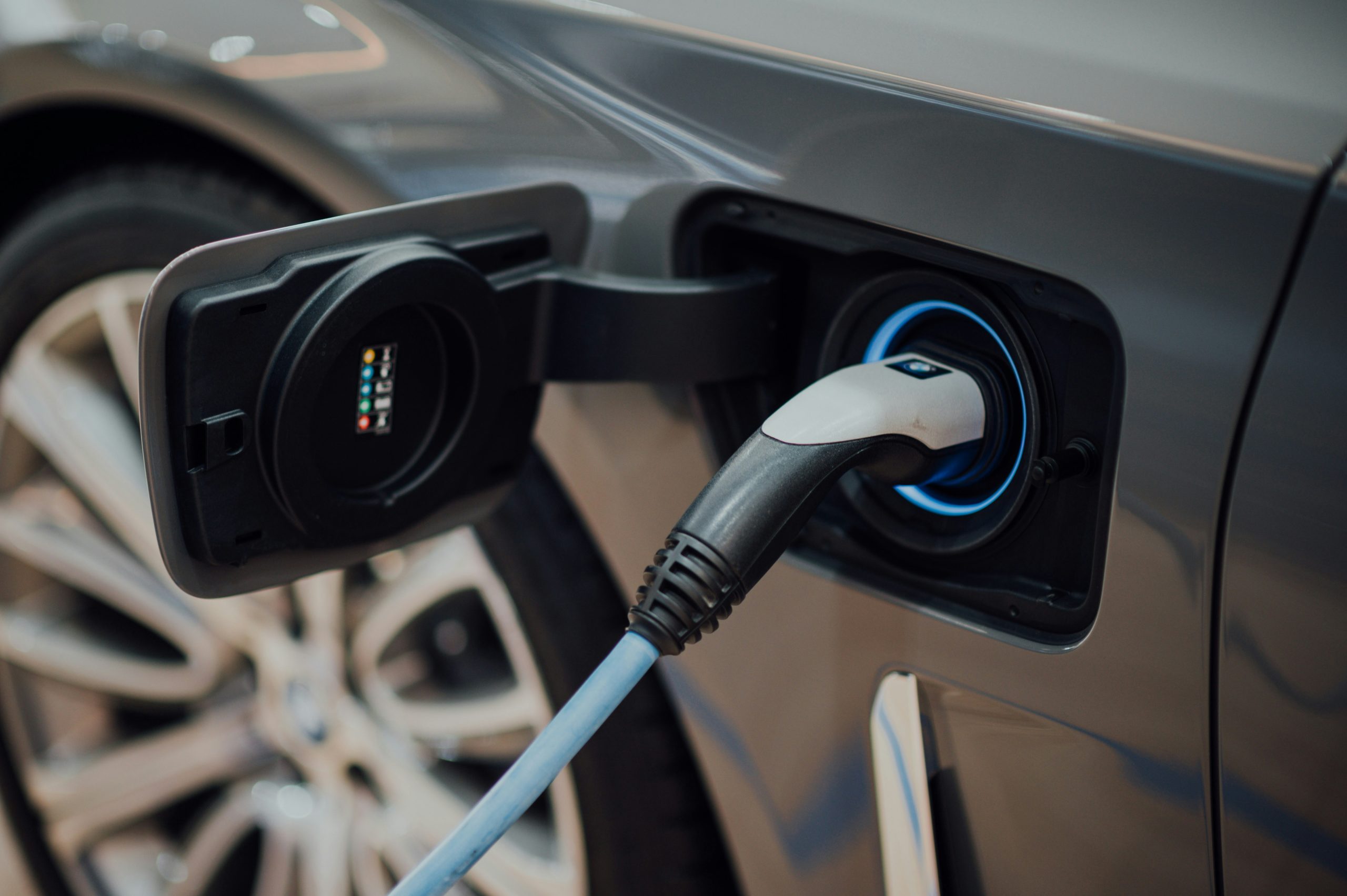
Diagnosing an electric vehicle involves more than connecting a standard code reader and checking for fault codes. Electric vehicles introduce high-voltage battery packs, battery management systems, electric motors, inverters, charging systems, safety interlocks and thermal management systems that require a broader diagnostic approach.
For Australian repairers, the right EV diagnostic tools can help technicians examine vehicle systems, assess battery condition, measure electrical performance and investigate faults more efficiently.
However, not every workshop needs the same equipment. A general mechanical workshop beginning to service hybrid and electric vehicles will have different requirements from an EV battery repair centre performing module-level testing and battery-pack maintenance.
This guide explains the main types of EV diagnostic equipment, what each tool is used for and what workshops should consider before expanding into electric vehicle servicing.
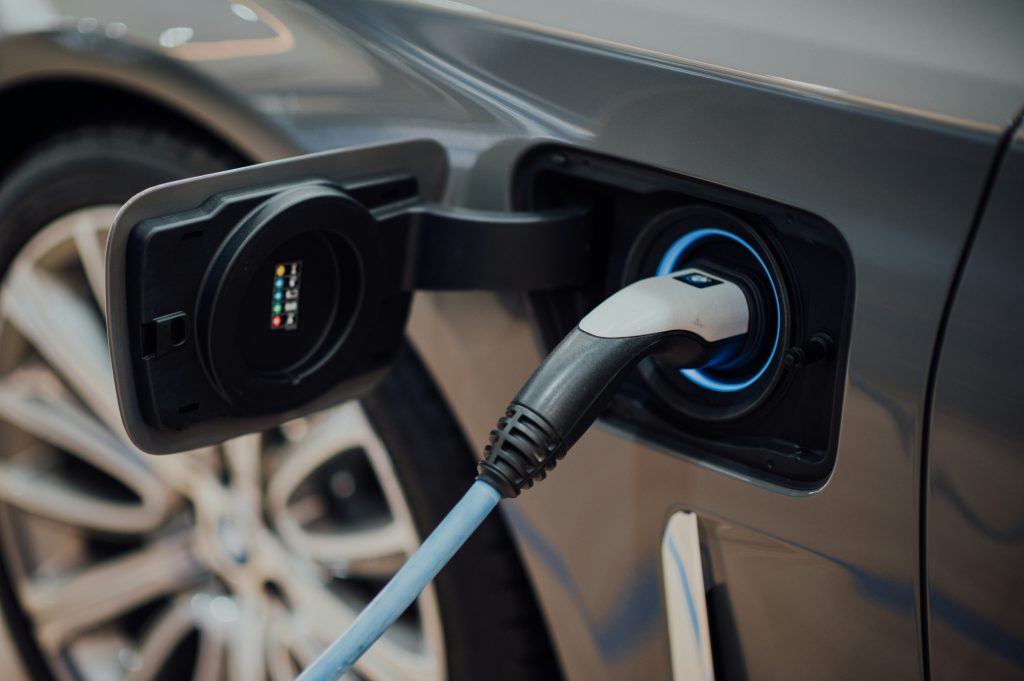
EV Diagnosis Starts With the Whole Vehicle
Although the high-voltage battery receives much of the attention, an electric vehicle still contains many interconnected control systems.
An EV diagnostic scanner may need to communicate with the:
- Battery management system
- Vehicle control module
- Electric motor and inverter
- On-board charger
- DC-to-DC converter
- Thermal management system
- Charging control system
- Brake and regenerative braking systems
- High-voltage safety interlocks
- Body, steering, restraint and driver assistance systems
A full-system scan provides a starting point by showing which modules contain faults and whether communication problems exist across the vehicle network. Technicians can then use live data, active tests, wiring information and electrical measurements to investigate the cause.
This is why a professional EV workshop normally needs more than one type of tool. A diagnostic scanner identifies what the vehicle is reporting, while specialist test equipment helps confirm what is happening electrically inside the system.
What Can an EV Diagnostic Scanner Check?
An EV-capable diagnostic scanner may support functions such as:
- Reading and clearing diagnostic trouble codes
- Viewing battery and vehicle live data
- Monitoring battery temperatures and cell voltages
- Checking charging and thermal management data
- Running bi-directional or active tests
- Reviewing high-voltage interlock status
- Performing supported service and calibration functions
- Generating diagnostic reports
The available functions depend on the vehicle manufacturer, model, year, control system and diagnostic software. EV support should therefore be checked at a vehicle and function level, not simply by looking for “EV compatible” on the scanner specification.
Battery Pack Data and State of Health
The high-voltage battery pack is one of the most important and expensive systems in an electric vehicle. Battery diagnosis commonly involves examining data from the battery management system rather than judging the pack from one voltage reading.
Useful battery data may include:
- State of charge (SOC)
- State of health (SOH)
- Total battery-pack voltage
- Individual cell or module voltages
- Battery and module temperatures
- Voltage difference between cells
- Charging and discharging current
- Insulation or isolation-related faults
- Battery management system fault codes
The Australian Government’s guide to electric vehicle batteries and motors explains that EV lithium-ion batteries use cooling systems and battery management software to help control battery safety and performance.
For workshops that already use a compatible LAUNCH scanner, the LAUNCH EV Add-on Kit provides battery-pack cables and EV diagnostic software for supported vehicles. It can display information such as module quantity, SOC, SOH, temperatures and individual cell voltage data.
When Is a Dedicated EV Battery Detector Needed?
A general EV scan may be enough for routine servicing and initial fault finding. More detailed battery work may require a dedicated EV battery diagnostic tool.
A battery detector can help workshops examine battery-pack information in greater depth, review cell-level data and produce reports that make it easier to identify abnormal voltage or temperature patterns.
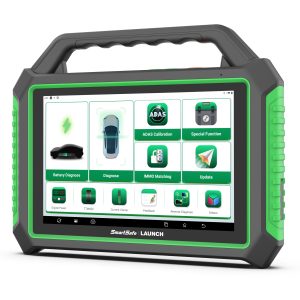
The iSmartEV P01 EV Battery Detector combines battery-pack inspection with whole-vehicle diagnostic functions. It can read and clear codes, view data streams, perform supported active tests and access detailed battery status and fault information.
This type of equipment is more relevant to EV specialists, battery service centres and workshops that expect to perform deeper battery investigation rather than only routine vehicle servicing.
Insulation Resistance Testing
High-voltage components must remain electrically isolated from the vehicle body and other conductive parts. Damaged cables, contamination, moisture or component faults can reduce insulation resistance and create an isolation fault.
An insulation resistance tester applies a controlled test voltage and measures resistance. This allows a trained technician to assess the insulation condition of supported high-voltage components and circuits using the correct manufacturer procedure.
The ES200 EV Insulation Resistance Tester provides insulation resistance and voltage measurement functions for EV testing. It includes multiple measurement modes and selectable test voltages.
An insulation tester is not the same as a standard automotive multimeter. Workshops should use equipment with the appropriate measurement range, rating and test functions for the procedure being performed.
Current and Voltage Measurement
Scan data shows what the control module reports, but technicians may also need to measure the electrical circuit directly.
Current and voltage measurements can assist with diagnosing:
- Charging performance
- Parasitic or unexpected current draw
- Electric motor and inverter behaviour
- DC-to-DC converter operation
- Auxiliary electrical systems
- Power supply and circuit faults
A current clamp allows current to be measured without disconnecting the conductor. The EG100 EV Clamp is designed for use with compatible LAUNCH scanners and supports AC/DC current measurement, DC voltage testing and waveform recording.
Measurement range, conductor size, accuracy and equipment rating should always be checked before selecting a current clamp for workshop use.
Why an Oscilloscope Still Matters
Some electrical faults cannot be identified reliably from fault codes or static measurements. An oscilloscope displays how a signal changes over time, allowing technicians to examine waveform shape, frequency, interruptions and irregular behaviour.
In EV diagnosis, an oscilloscope may be useful when investigating sensors, communication signals, motor controls, charging-related circuits and other electronic systems.
The EM101N EV Oscilloscope and Multimeter combines a dual-channel oscilloscope with multimeter functions and can connect to compatible X-431 diagnostic tools.
Owning an oscilloscope does not automatically make waveform diagnosis simple. Technicians also need suitable training, known-good reference information and an understanding of how the circuit is expected to operate.
Battery Cell Equalisation Equipment
Over time, differences can develop between cells or modules within a battery pack. Where the manufacturer procedure permits battery servicing, cell equalisation equipment may be used to reduce voltage imbalance between supported cells.
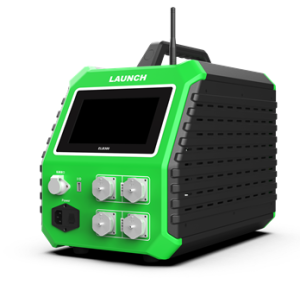
The ELB300 EV Battery Pack Cell Equaliser provides 24 channels for supported lithium battery-pack testing and equalisation work. It includes configurable charging and discharging parameters as well as voltage, current and temperature protection functions.
Cell equalisation is specialist battery work. It should not be treated as a universal repair for every battery fault, and it should only be performed by trained personnel following the correct battery and vehicle procedures.
Integrated EV Diagnostic Equipment
Workshops planning to perform regular EV diagnosis may prefer an integrated system rather than several separate instruments.
The iSmartEV P03 EV Integrated Detector combines whole-vehicle diagnosis and battery detection with an oscilloscope, multimeter, insulation tester and current clamp.
An integrated platform can suit specialist workshops that need several EV testing functions in one system. A general repair workshop servicing only occasional EVs may be better served by beginning with a compatible scanner, suitable software and selected test equipment, then expanding as demand grows.
Which EV Diagnostic Tools Does a Workshop Need?
| Workshop Requirement | Suggested Tool Type | Typical Use |
|---|---|---|
| Routine EV servicing and initial fault finding | EV-capable diagnostic scanner | Full-system scans, fault codes, live data and service functions |
| Detailed battery health assessment | EV battery detector | SOC, SOH, cell voltage, temperature and battery fault analysis |
| High-voltage isolation fault diagnosis | Insulation resistance tester | Testing insulation condition using the specified procedure |
| Electrical load and charging diagnosis | EV current clamp and multimeter | AC/DC current, voltage and circuit measurement |
| Intermittent or signal-related faults | Automotive oscilloscope | Waveform and signal analysis |
| Battery module or cell servicing | Battery equaliser | Controlled cell charging, discharging and equalisation |
| Dedicated EV diagnostic centre | Integrated EV diagnostic platform | Whole-vehicle, battery and electrical testing in one system |
Vehicle and Battery Coverage Must Be Checked
EV diagnostic coverage is not determined by the connector alone. Workshops should confirm support for the exact vehicle, battery system and required function.
Before purchasing equipment, check:
- Supported vehicle manufacturers and models
- Battery brands and pack types
- Whether diagnosis is available through the OBD port or direct battery connection
- Which battery cables and adapters are supplied
- Whether EV software requires a separate activation or subscription
- Whether cell-level data is available for the vehicles you service
- Which functions require manufacturer access or additional information
- Whether future software updates are available
A tool may communicate with the vehicle while still providing limited access to a particular battery pack. Coverage should therefore be confirmed based on the workshop’s actual vehicle mix.
EV Diagnostic Equipment Does Not Replace Safety Training
Electric vehicle work can involve electrical shock, arc, fire, damaged battery and chemical exposure risks. Diagnostic equipment helps identify faults, but it does not replace safe work procedures, suitable personal protective equipment, vehicle isolation processes or technician competency.
SafeWork NSW’s electric vehicle guidance provides information for businesses and workers carrying out EV maintenance, repair, modification, disposal and accident recovery.
Workshops should also follow vehicle manufacturer procedures and check the training, licensing and regulatory requirements that apply in their state or territory. The national Battery Electric Vehicle Inspection and Servicing Skill Set includes competencies covering EV depowering, maintenance, high-voltage rechargeable energy storage systems and safety interlocks.
Only appropriately trained personnel should work on or near high-voltage systems.
How to Prepare a Workshop for EV Diagnosis
Buying an EV scanner is only one part of becoming EV-ready. Workshops should also consider:
- Technician training and competency
- Vehicle isolation and lockout procedures
- Insulated tools and appropriate PPE
- High-voltage warning signs and controlled work areas
- Battery lifting and handling requirements
- Manufacturer repair information
- Stable power support for diagnostic and programming work
- Procedures for damaged or potentially unstable batteries
- Software updates and vehicle coverage
It is often better to build capability in stages. A workshop can begin with EV servicing, system scans and supported maintenance tasks before investing in equipment for battery-pack removal, internal repair or cell-level work.
Choosing the Right EV Diagnostic Tools
The right equipment depends on the work your business plans to perform.
A general workshop may need an EV-capable scanner, current measurement equipment and an insulation tester. A diagnostic specialist may also require oscilloscopes and deeper battery data. A battery repair centre may need direct pack connections, cell equalisation equipment, specialised power supplies and battery lifting solutions.
When comparing equipment, focus on:
- Vehicle and battery coverage
- Required diagnostic depth
- Tool measurement ranges and ratings
- Software and update costs
- Included cables and accessories
- Training requirements
- Local product and technical support
Workshops that need a diagnostic scanner before adding specialist EV equipment can also compare the available LAUNCH workshop scan tools.
Final Thoughts
EV diagnostic tools range from full-system scanners and battery detectors to insulation testers, current clamps, oscilloscopes and cell equalisation equipment. Each tool answers a different diagnostic question.
The best starting point is to define what type of EV work the workshop intends to perform. Routine servicing, battery condition reporting and high-voltage battery repair require very different levels of equipment, training and investment.
Choose equipment based on real vehicle coverage, required functions and technician capability rather than buying every available EV tool at once. For help comparing EV diagnostic solutions, software options and supported applications, contact the Launch Tech Australia team.