Time matters in every automotive workshop. The faster a technician can understand a fault, confirm the cause and complete the repair, the better the workshop can manage bookings, reduce delays and support customers.
Modern diagnostic tools are designed to make that process more efficient. Instead of relying only on manual checks or basic code reading, workshops can use launch scan tools to scan vehicle systems, view live data, run active tests and complete service functions with more confidence.
For Australian workshops looking for a professional Launch Scanner, the real value is not just in reading codes. The value is in saving time across the whole diagnostic workflow.
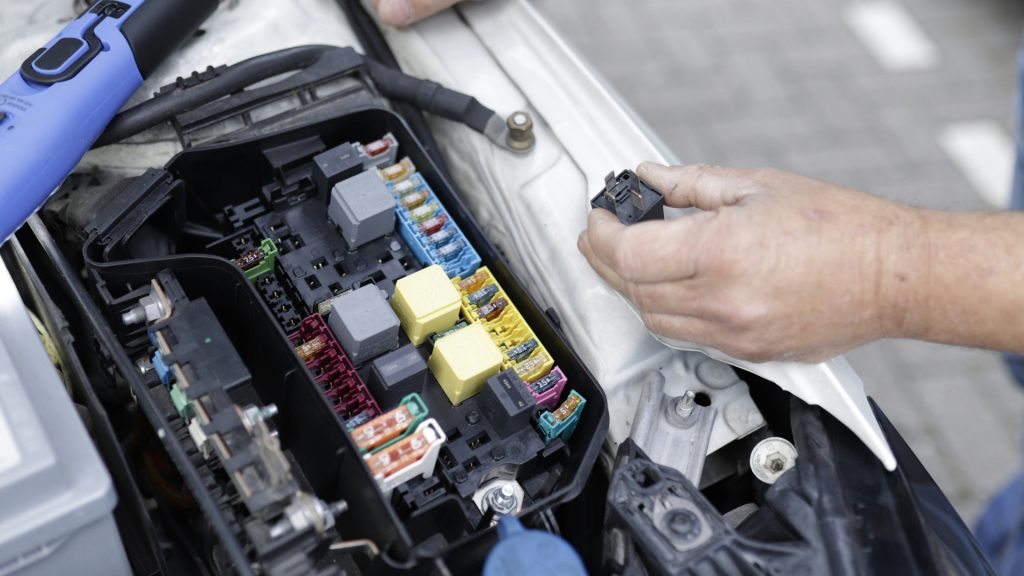
Faster Fault Finding From the Start
When a vehicle arrives with a warning light or performance issue, the first challenge is knowing where to begin. Without a diagnostic scan, technicians may spend valuable time checking different systems without a clear direction.
A professional scan tool can quickly read diagnostic trouble codes from supported vehicle systems. This gives the technician a starting point and helps identify whether the fault is related to the engine, transmission, ABS, airbag, body control, steering, battery management or another control module.
This does not mean the scan tool gives the full answer immediately. Fault codes still need proper interpretation. But they help reduce the time spent searching blindly.
Full-System Scans Give a Clearer Vehicle Overview
Many modern vehicles have dozens of electronic control modules. A problem in one system can affect another, and a warning light may not tell the whole story.
This is where full-system scanning becomes useful. Instead of checking only the engine module, technicians can scan multiple systems and see a more complete fault picture.
For example, a drivability issue may also involve transmission data, ABS signals, throttle response, battery voltage or communication between modules. A full-system scan helps the workshop see these related faults earlier, which can save time during diagnosis.
Live Data Helps Confirm What Is Actually Happening
Live data is one of the most useful features in modern diagnostic tools. It allows technicians to view sensor readings and module information while the vehicle is running or being tested.
Instead of only seeing a stored fault code, the technician can check real-time values such as coolant temperature, oxygen sensor readings, fuel trims, throttle position, wheel speed, boost pressure, battery voltage or DPF data.
This helps confirm whether a sensor, actuator or system is behaving normally. For intermittent faults, live data can also help technicians identify issues that may not appear during a basic visual inspection.
Active Tests Reduce Guesswork
Many professional launch scan tools support active tests, also known as bi-directional control, depending on the vehicle and system coverage.
Active tests allow the scan tool to command selected components to operate. A technician may be able to activate a cooling fan, fuel pump, ABS component, electronic parking brake, actuator or other supported component directly from the scanner.
This can save time because the technician can confirm whether a component responds before removing parts or replacing anything unnecessarily. It also helps separate component faults from wiring, relay, power supply or control module issues.
Service Functions Make Routine Jobs Quicker
Many service tasks on newer vehicles require electronic reset or calibration procedures. A scan tool can help workshops complete these jobs without wasting time searching for separate tools or manual reset methods.
Common service functions may include oil reset, electronic parking brake service mode, battery registration, steering angle calibration, throttle adaptation, DPF-related functions, injector coding or TPMS-related service functions where supported.
For busy workshops, these functions can make routine servicing smoother and help technicians complete jobs in a more structured way.
Better Diagnostic Reports Improve Communication
Diagnostic tools can also save time after the scan is complete. Many workshops use pre-repair and post-repair reports to record what was found, what was cleared and whether faults returned after the repair.
This is helpful for technicians, service advisors and customers. Instead of explaining everything from memory, the workshop can use a report to support the repair recommendation or confirm the final result.
For fleet work, used vehicle inspections or repeat customer repairs, diagnostic reports can also create a clearer record of vehicle condition over time.
Why Launch Australia Support Matters
Saving time is not only about the tool itself. It is also about software updates, vehicle coverage, product resources and local support.
Workshops using LAUNCH diagnostic equipment can refer to the Launch Tech Australia Support page for software update guides, troubleshooting information and product resources. This helps reduce time spent dealing with update problems, setup questions or basic support issues.
For workshops searching for Launch Australia support, local product advice can also make it easier to choose a scanner that suits the vehicles and jobs coming through the workshop.
Diagnostic Tools Work Best With Repair Information
A scan tool helps identify what the vehicle is reporting, but technicians still need accurate repair information to complete the job properly.
The Australian Automotive Service and Repair Authority provides Australian repairers with access pathways for manufacturer service and repair information. When scan data is combined with correct procedures, wiring diagrams and specifications, workshops can diagnose faults more efficiently.
This combination helps reduce repeat checks, wrong repair paths and unnecessary part replacement.
Training Also Saves Time
A good scan tool is most effective when technicians know how to use it properly. Features such as live data, active tests, topology mapping, coding and guided functions can save time, but only when used with a clear diagnostic process.
The Australian Automotive Aftermarket Association is a useful industry resource for workshop training, aftermarket updates and technical development.
For modern workshops, investing in both diagnostic equipment and technician knowledge is one of the best ways to improve efficiency.
Where Diagnostic Tools Save the Most Time
| Workshop Situation | How Diagnostic Tools Help |
|---|---|
| Warning light diagnosis | Quickly identifies stored fault codes and affected systems |
| Intermittent faults | Uses live data to monitor sensor and module behaviour |
| Electrical component testing | Uses active tests to command supported components |
| Routine servicing | Completes resets, adaptations and maintenance functions |
| Post-repair checks | Confirms whether codes return after repair |
| Customer communication | Provides reports to explain findings and repair results |
| Fleet maintenance | Supports faster checks and clearer service records |
Choosing the Right Diagnostic Tool for Workshop Efficiency
Not every workshop needs the same diagnostic tool. A general mechanical workshop may prioritise full-system scanning, service functions and broad vehicle coverage. A European specialist may need coding, DoIP, CAN FD and advanced diagnostic capability. A fleet or diesel workshop may need heavy-duty coverage and 12V/24V support.
Before choosing a diagnostic scanner, workshops should consider the vehicle brands they service most often, the systems they need to access, the service functions they use every day and whether they need future support for EV, ADAS or heavy-duty applications.
The best diagnostic tool is not always the most expensive one. It is the one that matches the workshop’s real jobs and helps technicians complete those jobs more efficiently.
Final Thoughts
Diagnostic tools help workshops save time by making fault finding faster, more structured and easier to verify. They allow technicians to read fault codes, scan full systems, view live data, run active tests, complete service functions and produce clearer repair reports.
For Australian workshops, launch scan tools can help reduce guesswork, improve workflow and support more confident repairs on modern vehicles.
If your workshop is comparing diagnostic tools, contact the Launch Tech Australia team for product advice, vehicle coverage questions and local support options.